Coming Soon!
Release Date: 31st October
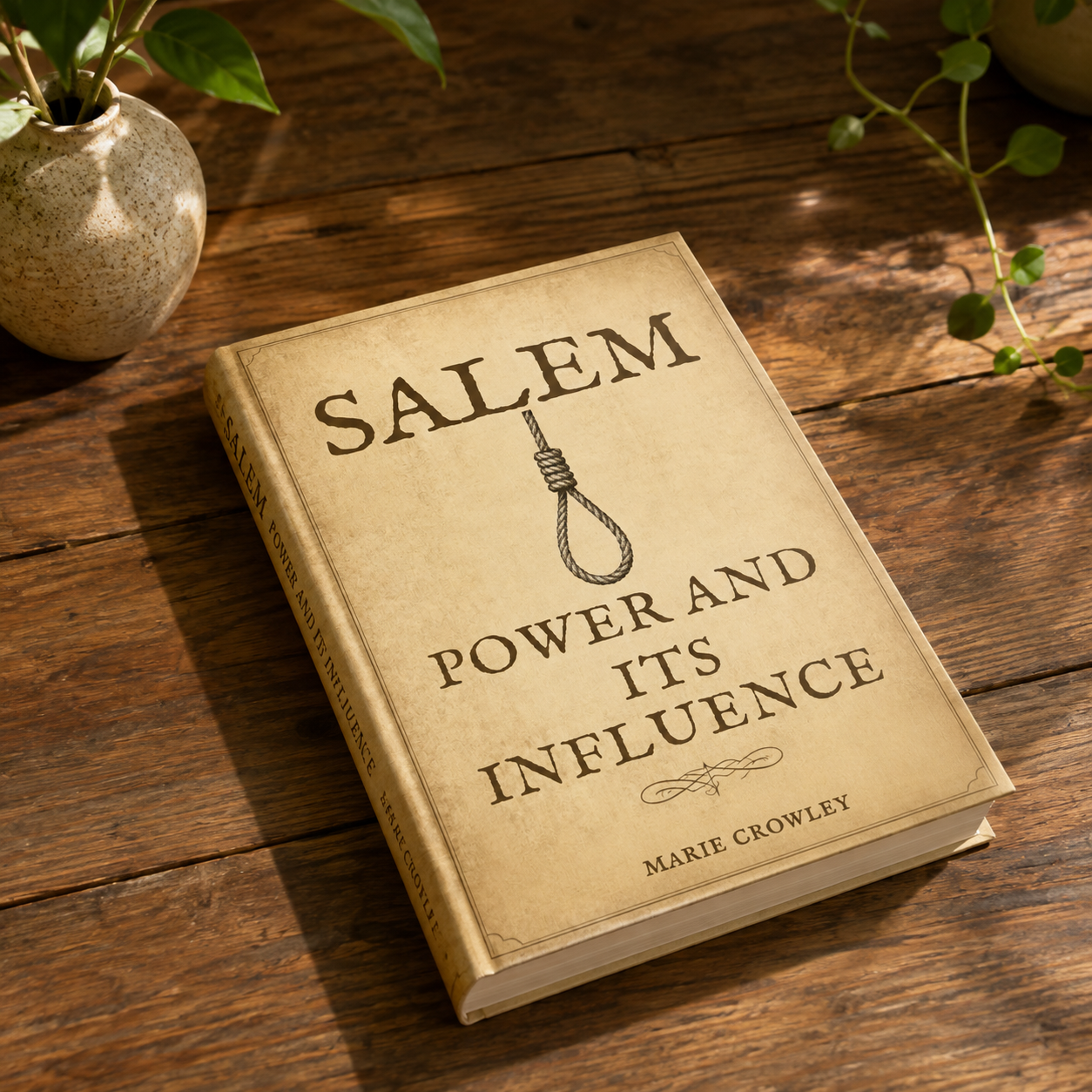
Salem: Power and Its Influence explores one of the most infamous episodes in American history through a different lens: not as a story of witches and superstition, but as a story of fear, power, accusation and human vulnerability.
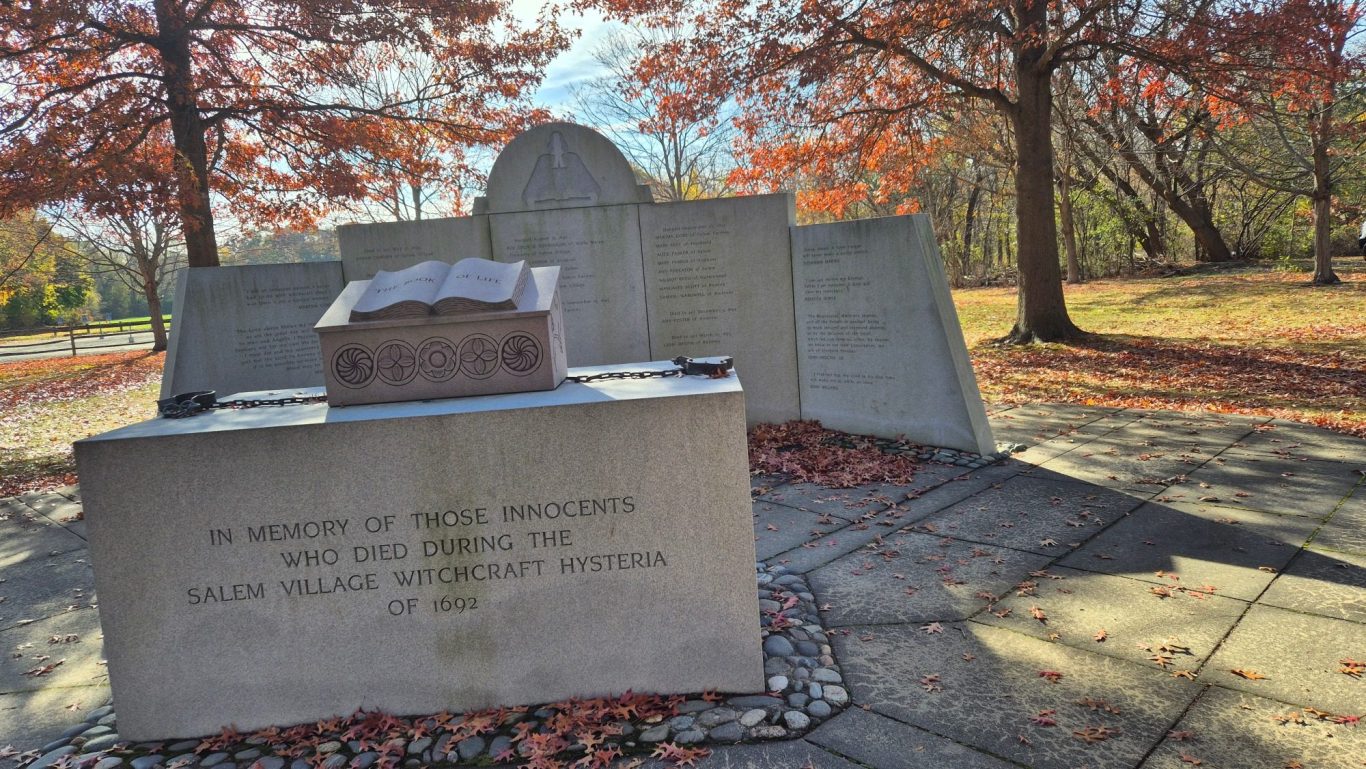
In 1692, a small community in Massachusetts became consumed by claims of supernatural affliction. What began with the unexplained behaviour of a handful of children rapidly escalated into a devastating cycle of accusation, imprisonment and execution. More than 200 people became caught up in the crisis, while 20 were executed or died as a consequence of the trials.
But why did Salem happen?
Drawing on court records, sermons, letters, testimony and the stories of those who lived through the trials, this book examines the fractured society beneath the panic. Religious certainty collided with economic hardship, land disputes, social division, personal rivalries and struggles for influence. Accusations that might once have been dismissed became credible when they were reinforced by authority, while spectral evidence transformed invisible claims of harm into accepted legal testimony.
At the heart of the book is the concept of moral panic: the process through which a perceived threat becomes exaggerated, amplified and legitimised until the response to it becomes wildly disproportionate to the evidence. The book traces this process through Salem, examining the creation of folk devils, the amplification of fear, the role of religious and political authority, the use of questionable evidence and the eventual collapse of the panic.
Yet Salem does not remain in 1692.
The book asks what happens when the same mechanisms appear in different forms. From the Red Scare and the Satanic Panic to contemporary media, social media outrage and modern debates surrounding groups constructed as societal threats, Salem becomes a case study in a much larger human pattern. Today, algorithms can amplify fear and outrage within hours, but the underlying psychology remains remarkably familiar: identify a threat, find someone to blame, amplify the narrative, demand action and allow certainty to replace evidence.
Salem: Power and Its Influence is ultimately a book about what happens when fear becomes more persuasive than evidence — and about the terrible human cost when accusation is allowed to become truth.
It is a history of Salem, but it is also a warning.
Because the question the book leaves us with is not simply “How could they have believed this?”
It should be: “What happens when we do the same thing?”
Pre-Order now for a signed copy and exclusive access to a live book launch and Q&A with the author!