
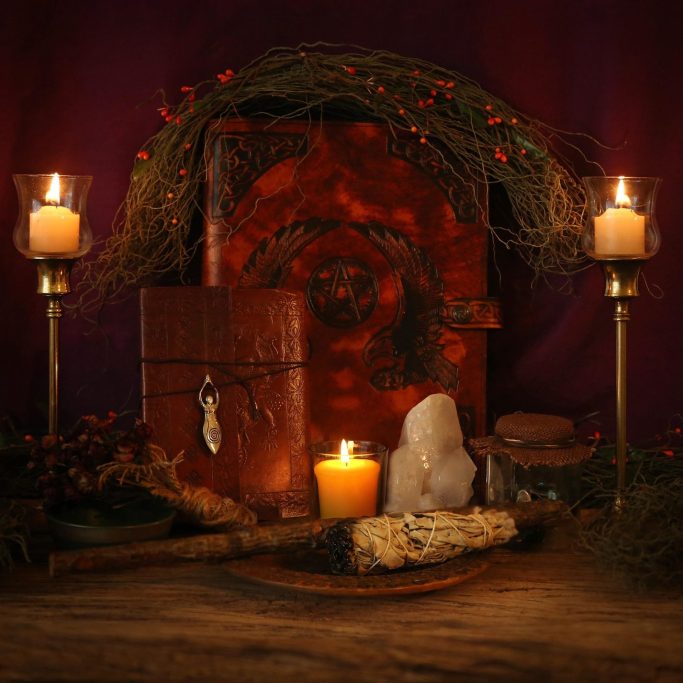
An altar dedicated to the Feminine Divine in Modern Day
Image by DesertRose7 at Pixelbay

Stacked Rocks – a dedication to the sea
Image by pandared at Pixelbay
Explore the history of goddesses and nature-based beliefs, their connection to the land.
How storytelling preserves cultural heritage and meaning.
Introduction
Across cultures and throughout history, people have told stories about goddesses and nature-based beliefs to explain the world around them. These stories often emerged from a close relationship with the land — its seasons, landscapes, animals and cycles of growth and rest.
Rather than being separate from everyday life, these beliefs were woven into how communities understood nature, place and belonging.
Goddesses Throughout History
In many ancient societies across the world, Goddesses were associated with the natural world, such as the earth, water, fertility, weather and the changing seasons. These figures often represented ideas of creation, protection, renewal and balance.
Goddess stories varied widely across regions, shaped by local landscapes and ways of life. Coastal communities told stories linked to the sea, while agricultural societies focused on the soil, harvest and cycles of planting. Through myth and folklore, people passed down knowledge, values and identity from one generation to the next.
Nature-Based Beliefs and Everyday Life
Nature-based belief systems developed from careful observation of the world. Changes in daylight, weather patterns and animal behaviour shaped calendars, celebrations and storytelling traditions.
Rather than formal religious structures, many of these beliefs were rooted in shared community practices, seasonal markers and oral storytelling. The land itself became a source of meaning — hills, rivers, stones and trees often appearing in stories as places of memory and significance.
Connection to the Land
Land has always played a central role in nature-based traditions. Specific locations — such as ancient pathways, standing stones or burial sites — became linked to religions such as Druidism, polytheism and ancient non-Christian religions that explained origins, change and continuity. These are now very often referred to as the 'old ways'.
These narratives helped communities understand their relationship with place, reinforcing respect for the environment and an awareness of living within natural cycles. Over time, the stories evolved, but their connection to land and landscape remained.
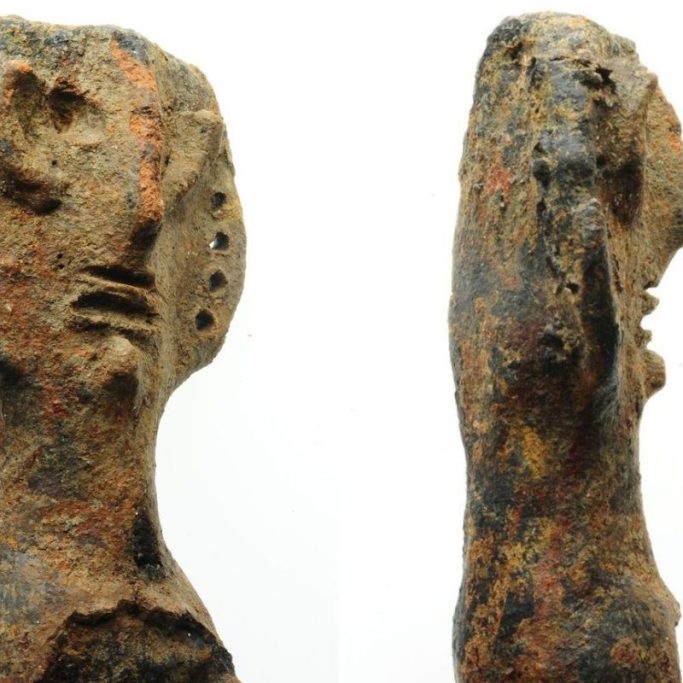
3,000-year-old Water Goddess Statue found in Germany
Image by thehistoryblog.com
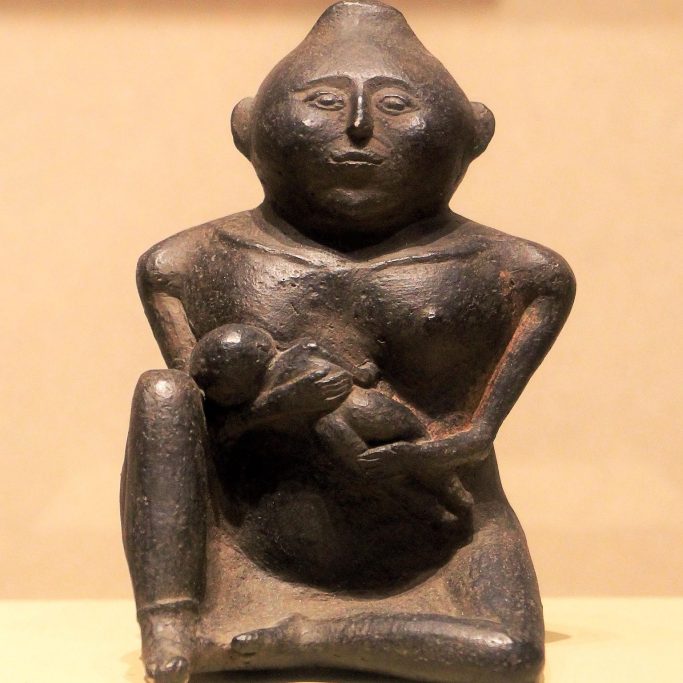
Depiction of an old Fertility Goddess
Image by hNewberry at Pixelbay
Storytelling, Myth and Meaning
Storytelling has always been one of humanity’s earliest ways of making sense of the world. Long before written language, stories were used to share knowledge about the land, the seasons and the unseen forces people believed shaped everyday life.
Myths and goddess stories were not simply tales of belief, but frameworks for understanding experience. Through narrative, communities explored ideas such as birth and death, growth and decline, love, loss and renewal. These stories allowed people to express complex emotions and observations in ways that could be remembered, repeated and adapted over time.
Stories as Living Traditions
Unlike fixed texts, oral storytelling traditions were fluid. Stories changed depending on who told them, where they were told and why. This meant that mythology remained connected to the needs of each generation, evolving alongside changes in landscape, climate and society.
In many cultures, storytelling was closely tied to seasonal moments — long winter evenings, harvest gatherings or communal celebrations. These stories reinforced a sense of belonging and continuity, linking individuals to both their ancestors and the land they inhabited. The books we publish draw deeply on place, folklore and the rhythms of nature. They honour the idea that land holds memory — not in a literal sense, but through the layers of story we attach to it over time.
By weaving together mythic themes, natural settings and human experience, these stories act as bridges between past and present. They echo older traditions while remaining firmly grounded in modern life, encouraging readers to notice the world around them more closely.
The Role of Landscape in Story
Natural features such as rivers, hills, forests and stones often became central characters within stories themselves. Landmarks were used as memory anchors, helping listeners connect narrative events to real places.
By grounding stories in the physical landscape, communities created a shared map of meaning — where place, memory and imagination overlapped. This strengthened emotional connections to the land and encouraged respect for the environment as something alive with history and story. There are many places that are named because of some of those landscapes.
Storytelling in the Modern World
Today, storytelling continues to play a vital role in how people engage with nature-based themes. Modern books, art and creative practices often draw on ancient myths and Goddess imagery as symbols rather than literal belief systems. At the heart of this work is the belief that stories do not need to tell us what to think. Instead, they open doors.
Through symbolism, atmosphere and character, stories create space for readers to bring their own meaning, interpretation and emotion. This approach, here at Bonnie Publishing, reflects a wider ethos of curiosity, creativity and respect — allowing each reader to engage at their own pace and from their own perspective.
Rather than presenting belief as fixed or prescriptive, storytelling offers an invitation: to explore ideas, landscapes and inner worlds without expectation or judgement.
Why Story Telling Still Matters
In a fast-moving, digital world, stories offer something increasingly rare: time to pause, reflect and reconnect. They invite us to slow down and listen — not just to characters on a page, but to our own thoughts, memories and sense of place.
Stories rooted in nature, myth and lived experience remind us that humans have always used narrative to understand change, uncertainty and belonging. They help us explore big questions in ways that feel safe and accessible, especially when those questions don’t have simple answers.
Storytelling, in this context, is about inclusion, accessibility and wonder. It welcomes those who are curious, creative or simply looking for meaning — without requiring belief or prior knowledge. This ethos runs through the books, creative projects and community spaces connected to Bonnie Publishing: stories as tools for connection, imagination and gentle reflection, rather than answers or telling you what you should believe.
Stories as Seeds
Every story plants a seed. Some grow into inspiration, others into comfort, curiosity or creativity. Even when the book is closed, the story continues — reshaped by the reader’s own experiences and imagination.
That is why our stories still matter: not because it tells us what the world is, but because it helps us imagine what it could be.